Photo: Anthracnose symptoms on a sycamore leaf.
About the Forest Health Program
This site contains pictures, links to publications and news releases that will help identify and control common insect pests and diseases of trees in Nebraska. Publications are from the University of Nebraska, other universities, and the USDA Forest Service. Questions or comments can be directed to Mark Harrell, Forest Health Program Leader.
The Forest Health section maintains a listing of the most prominent pest problems in Nebraska along with the trees that are affected, control recommendations, and timing. You can view and print these recommendations here.
Drought
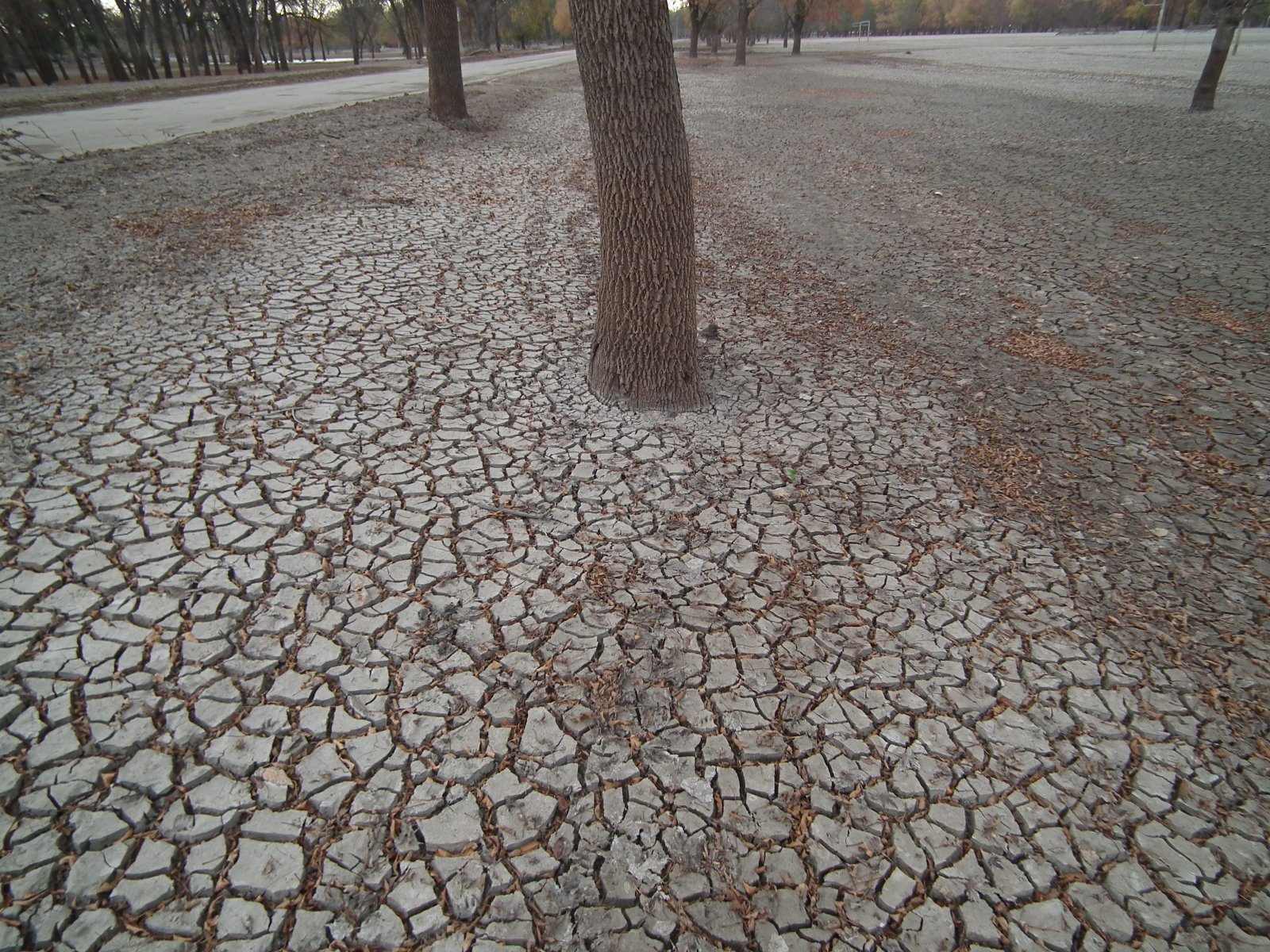
Photo: West Point red oaks one year after drought. These trees were not watered last year. Notice abundance of Bromegrass below trees, which competes strongly with trees for moisture.
Photo: Western Nebraska windbreak affected by drought.
Photo: Lincoln spruce dying from drought.
Forest Health Alert
Ips beetles, also known as pine engraver beetles, can attack stressed or healthy trees in large enough numbers to kill entire trees or tops of trees.
New: Managing Ips Beetles in Pine
--------------------------------------------------------
Western Nebraska trees are showing the effects of the drought.
Low precipitation, high temperatures and extreme wind produced serious consequences for western Nebraska trees. Even trees often considered drought tolerant are distressed. Our trees rely heavily on periodic moisture.
More: Dealing With Drought
Photo examples below.
-----------------------------------------------
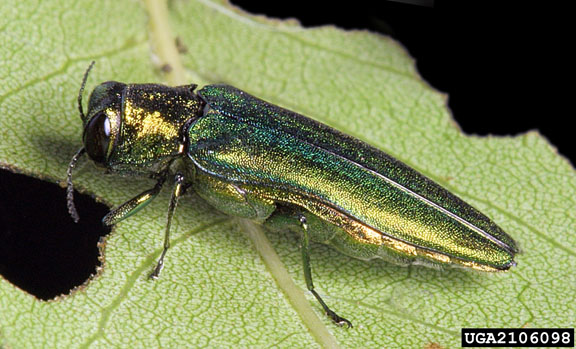
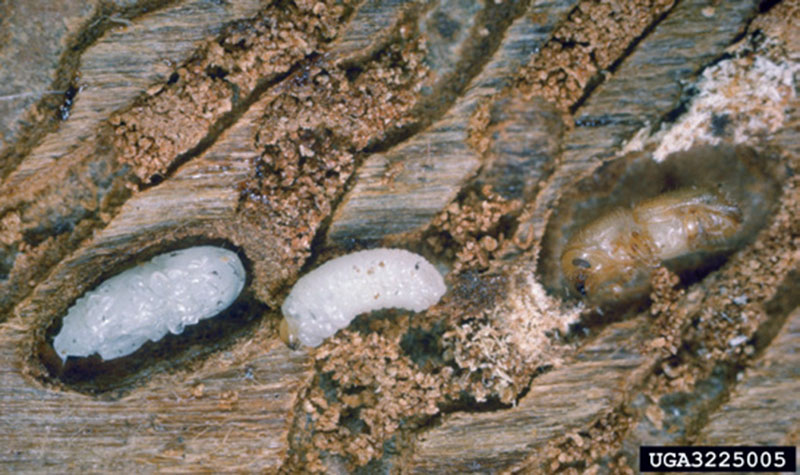
Because of the significant threat presented by emerald ash borer (EAB), the Nebraska Forest Service no longer recommends significant planting of ash trees native to North America.
This includes green ash (Fraxinus pennsylvanica), black ash (Fraxinus nigra), blue ash (Fraxinus quadrangulata) and white ash (Fraxinus americana). This also includes popular cultivars, such as 'Patmore' green ash and 'Autumn Purple' white ash.
For more detailed information, please read the NFS Position on Ash.
Click here for an interactive guide to help identify EAB and ash trees.
Resources
- for Arborists
- for Homeowners
- for Landowners